
For most long distance runners, it is worth considering and understanding your own running technique. But knowing what, when and why to change something is crucial.
There are 2 reasons we’d want to change our technique:
Reduce our risk of injury
Performance/efficiency improvement
N.B. We are talking about long distance running and jogging here, NOT sprinting. Sprinting is an entirely different sport with vastly different demands on our body.
Amongst all the running technique variables we can modify, foot strike is a big one. Footstrike is one of those things people love to talk about changing. It’s very visible, it’s very easy to change. And there is plenty of conjecture about what’s best.
So let’s go through the hard scientific evidence.
There are 3 main ways your foot can strike the ground
Heel
Midfoot
Forefoot
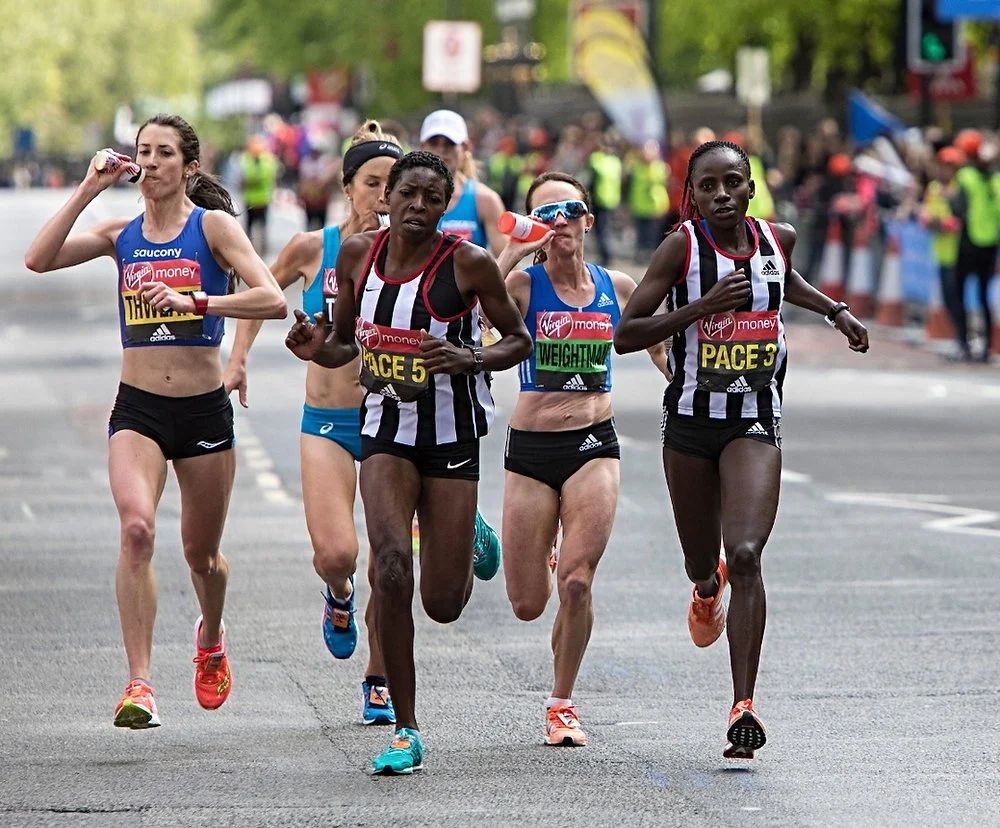
In reality it’s a spectrum. On one end of the spectrum is an exaggerated heel strike with toes pointing to the sky at initial contact. Down the other end is an exaggerated forefoot strike, those who run right up on their toes like a ballerina. And right in the middle is a midfoot strike where the front and rear of the foot contacts the ground simulaneously.
We know that the majority of runners habitually land heel first. There was a large push in the early 2000’s towards running in more barefoot shoes with a forefoot strike, and heelstriking became somewhat demonised.
And since then, there’s ongoing debate and discussion about how we should all be running and landing on the ground. Fortunately now we have some hard evidence to lean on.
Interestingly, when runners were asked to self-identify how they strike the ground and then measured with high-speed video in a lab, only 30-40% of runners could correctly identify their footstrike pattern (Goss et al. 2015).

INJURY RISK
We cannot reduce injury risk by changing footstrike. Changing footsrike simply redistributes mechanical stress.
A systematic review (the highest level of scientific evidence) published in 2021 by Burke et al. found no consistent, reproducible link between foot strike pattern and running-related injury risk. Basically, you’re no more or less likely to get injured if you heelstrike compared to forefoot striking.
RUNNING PERFORMANCE
Similarly, a systematic review by van Hooren et al. in 2024 found no consensus about the most efficient running technique. They actually found that changing foot strike may lead to a short term decrease in running economy (and hence performance). But it’s not better or faster or more efficient to run forefoot compared to heel strike or vice versa.
REDISTRIBUTING STRESS
The big thing about changing footstrike is that we can redistribute the mechanical strain of running to different structures in our legs. This is a HUGE reason to modify running technique.
In simple terms, heelstriking puts more load on the knee and everything above it. Conversely, forefoot or mid foot striking puts more load on the calf and everything else below it.
So if someone is a habitual heelstriker and dealing with knee pain, we can shift their footstrike more towards the front of their foot to have an instant impact on their pain.
And if I see a runner with achilles tendinopathy who is a habitual forefoot or mid foot runner, a temporary switch to heelstriking can have a huge change on their pain and symptoms, and importantly, can allow them to tolerate more running volume whilst they address the injury.
Important: We always need to be careful changing footstrike, as we are inadvertently placing additional load on other structures. More load than those structures are used to. So always proceed with caution. We don’t want to solve one problem and create another problem.
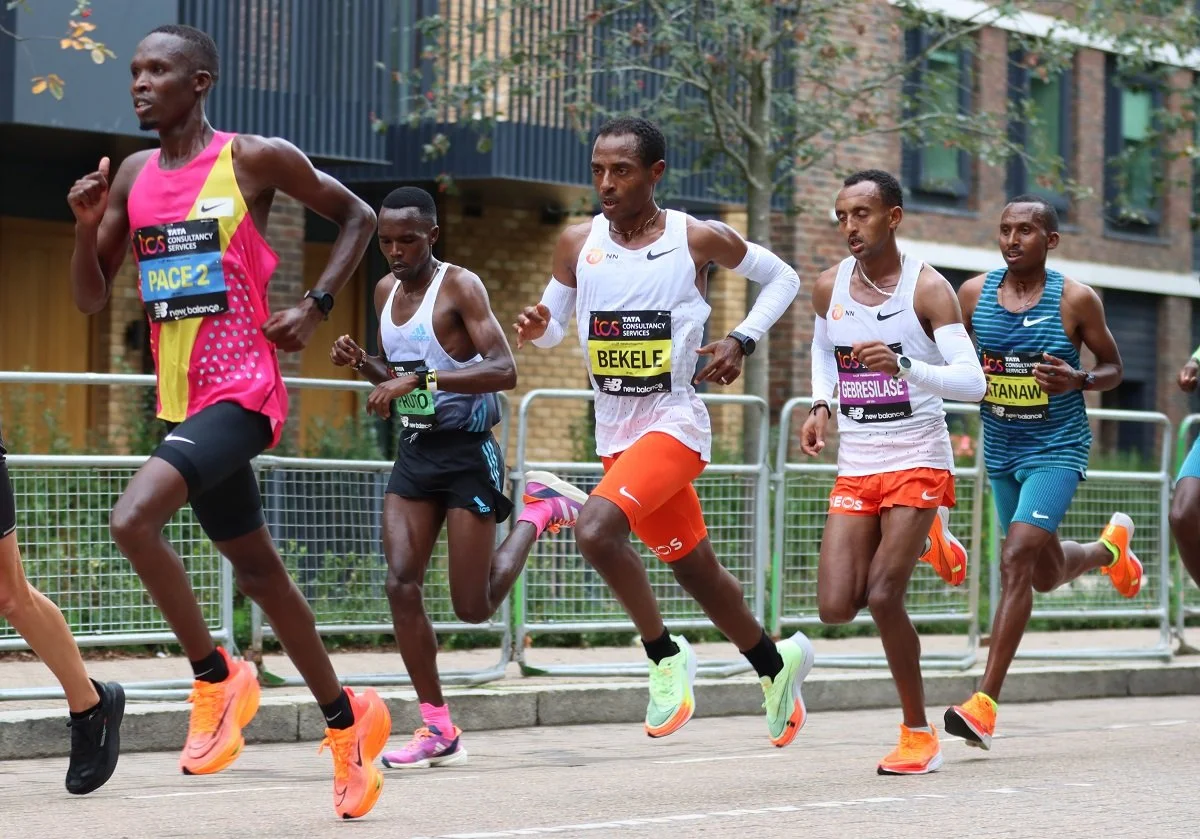
So when DO we change footstrike?
If there’s pain or injury associated with that footstrike pattern. A temporary change may be warranted, but not necessarily a permanent change.
If a runner is at the extremes of either heel striking or forefoot striking, and developing a more subtle footstrike feels easier for them.
Big picture, I think a terrific approach for the discerning runner is to work towards developing a comfortable heelstrike running pattern AND non-heelstrike running pattern, so that when pain or injury arises one can change their running style quickly to de-load the painful area.